SERIES 1, ISSUE 5
SHOP NOTES
What’s in the Bay This Week?
‘Rover’s We Like’ Edition
Every so often, the shop fills with vehicles that make us happy. No major issues or dramatic stories, just good trucks that remind us why we enjoy working on these machines in the first place.
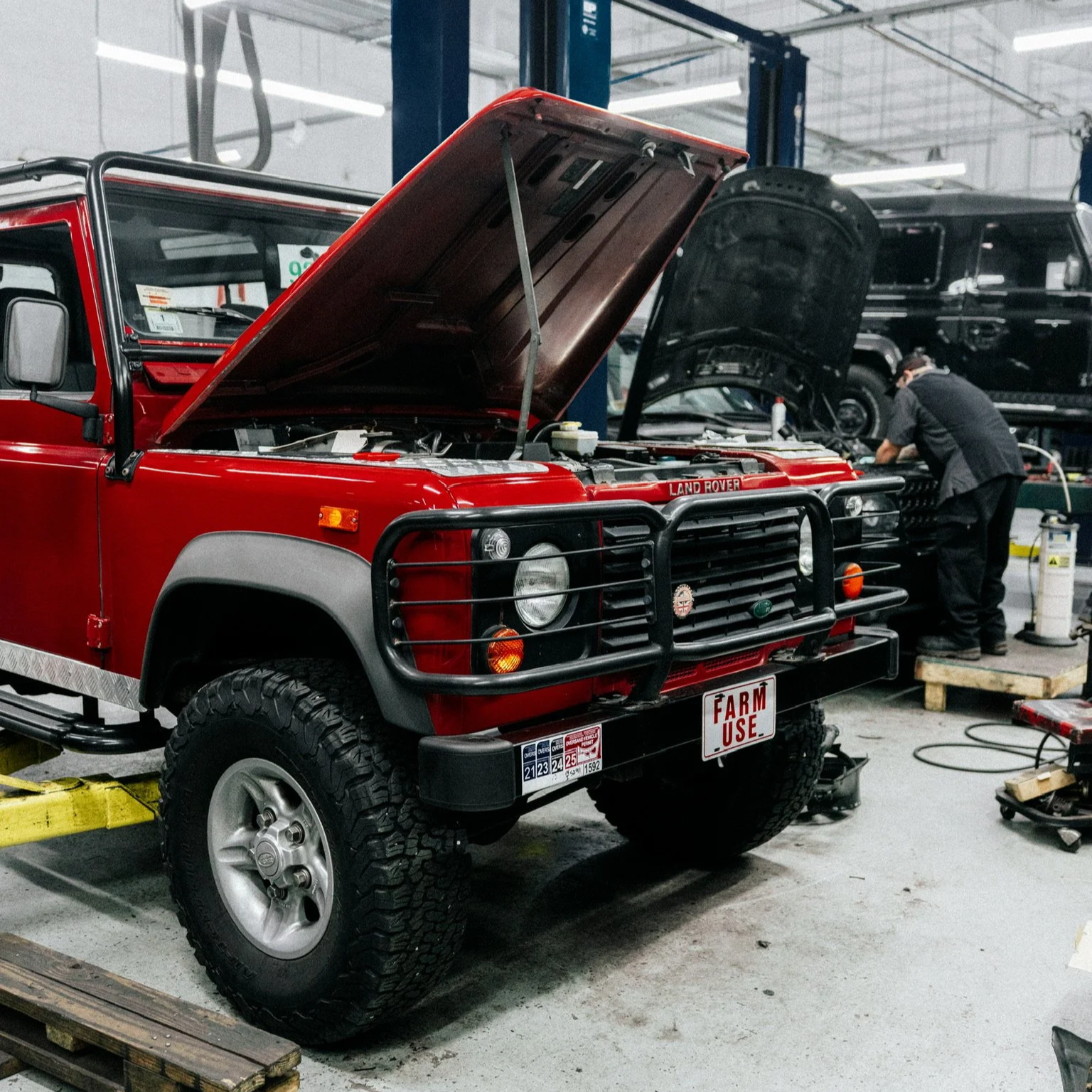
One of them this week is a sharp-looking red 1997 Japanese Spec Defender 90 that recently arrived after being purchased on Bring a Trailer. The new owner wisely sent it straight to us for a post-purchase inspection.
Once the Defender was on the lift, we found several small items that will need attention. Mostly typical service issues, ageing components, and a few details that looked slightly better in the auction photos than they do in person.
The good news is the fundamentals look strong and with a bit of sorting, it should be ready to enjoy.
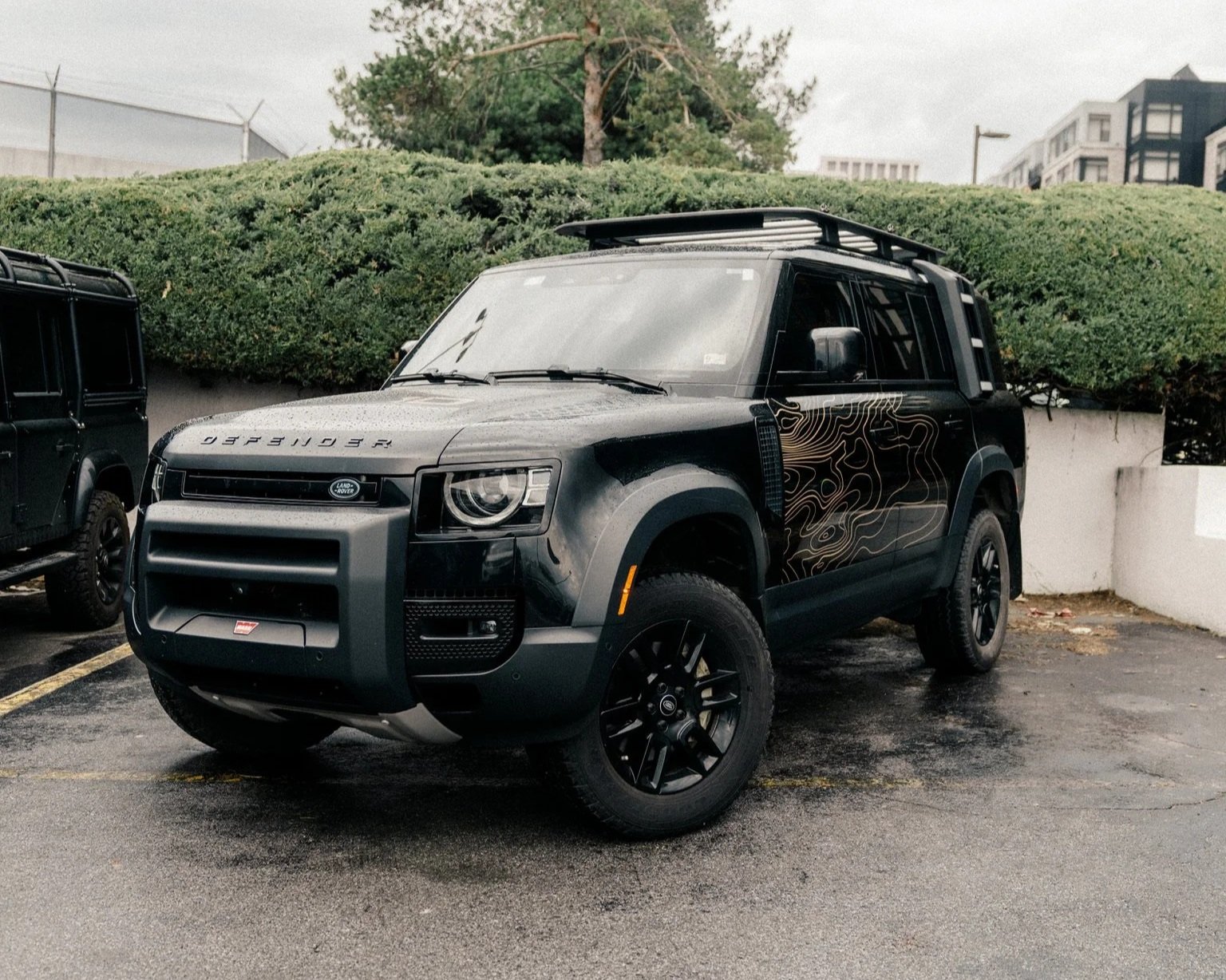
Another unusual vehicle in the shop this week is a Defender 130 Tophy Edition, a rare, limited production run that will continue the legacy of adventure & spirit. Only 230 were made and feature a topographic map graphic and expedition gear, such as roof racks and recovery equipment. A brand new purchase of these editions included an opportunity to participate in a 2-day off-road adventure in Austin, Texas.
The overall winning team, as determined by a judging panel, would receive a four‑day Adventure Travel experience in Namibia. Winners would drive Defenders on iconic pathways and dunes that run across the wilderness in the Erongo Mountains and Spitzkoppe Peaks.
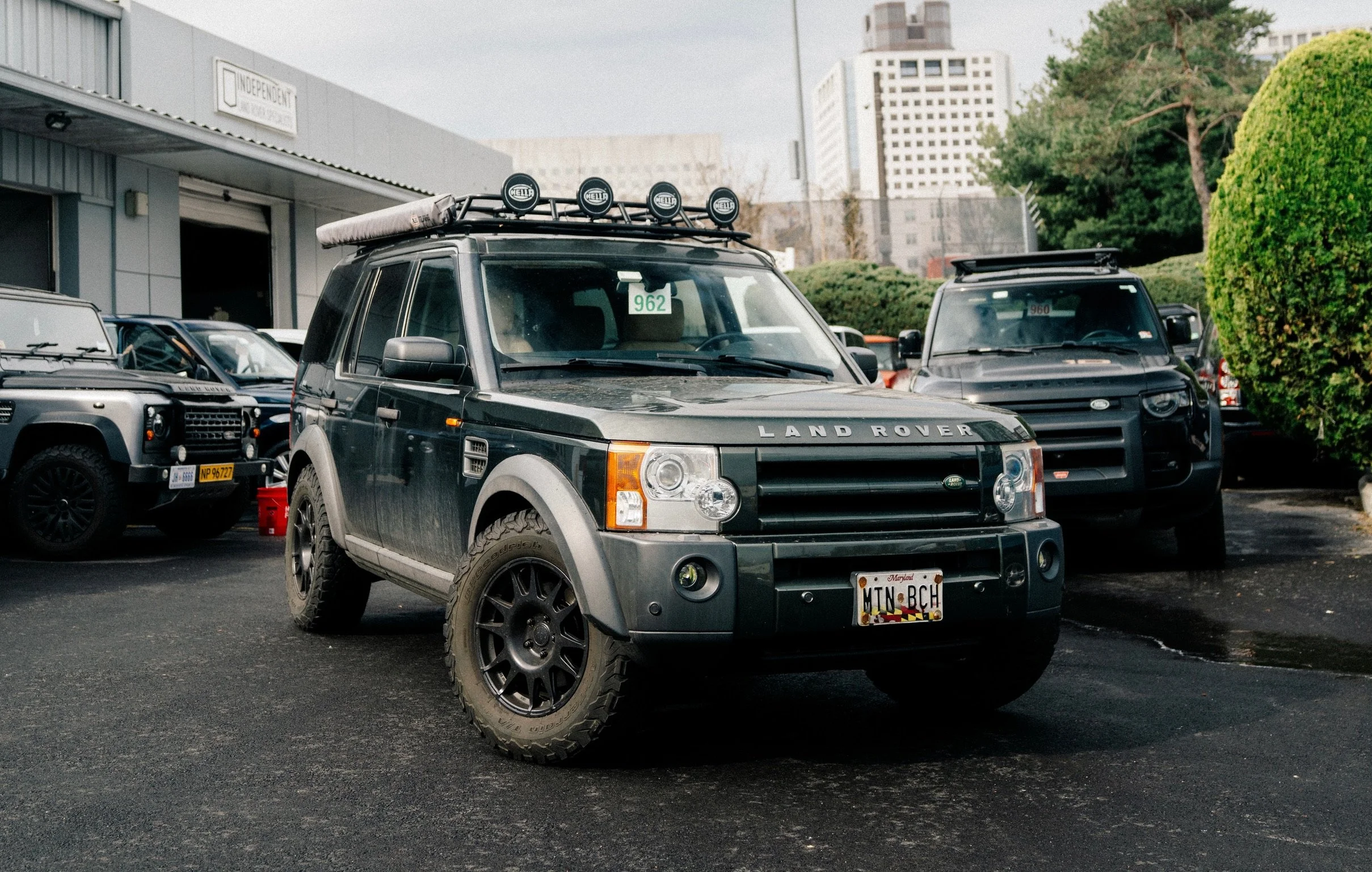
Finally, in this special edition of Shop Notes is a perennial favourite of ours: an LR3.
It's one of our favourite modern Land Rovers because, in addition to being uniquely reliable (our shop LR3 is well past 200,000 miles), it carries forward the same philosophy that made the original trucks great. A squared-off body, capable chassis with exceptional articulation, strong drivetrains, and terrain systems that genuinely work when the road disappears.
We like them even more when they’re properly set up for the trail, like this one. A well-prepared LR3 with good tyres becomes a remarkably capable expedition vehicle that’s comfortable enough to drive every day but happiest when it’s pointed somewhere remote.
FIELDCRAFT TIPS
Maintenance and Troubleshooting
Spring Mud: Driving Your Land Rover When the Ground Turns Soft
Spring has a way of changing the character of the land almost overnight.
Fields that were firm a week ago become soft and waterlogged as trails develop deep ruts. Even a short drive across grass can quickly become an exercise in traction.
Fortunately, this is exactly the sort of condition Land Rovers were built for. A Range Rover, Defender, or Discovery is remarkably capable in mud when driven properly. The key is understanding that mud driving rewards patience more than aggression.
Here are five principles worth remembering as the ground turns soft:
1. Momentum matters more than speed.
The goal in mud is to maintain steady forward progress without breaking traction. Enter muddy sections slowly and build gentle momentum rather than charging in. Sudden throttle inputs will only spin the tires and dig holes.
2. Use the right gear.
Low range can be extremely helpful in muddy terrain because it gives you better throttle control. It allows the vehicle to move slowly while still delivering torque to the wheels.
3. Let the tires work.
Mud requires the tires to clear themselves. If the wheels spin wildly, the tread fills with mud and turns into slick rubber. A controlled throttle allows the tread blocks to bite and eject mud as they rotate.
4. Follow existing tracks carefully.
Ruts can help guide the vehicle, but they can also drag you off line. If the ruts are deep enough to catch the differentials, straddling them may be the better choice.
5. Know when to stop.
If the wheels are spinning and the vehicle isn’t moving, continuing will only bury it deeper. Backing out and choosing a different line is often the smarter move.
ROVER CULTURE
Events and Land Rover News
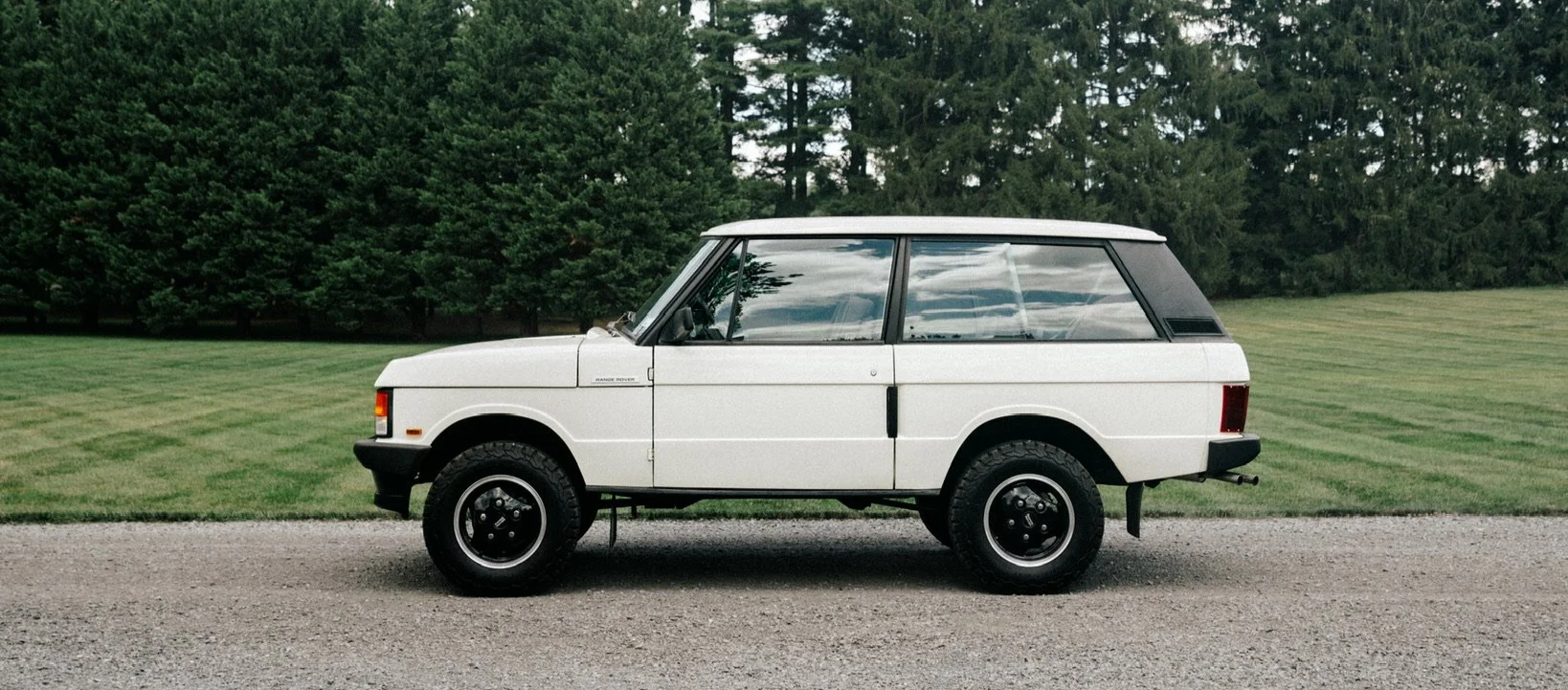
Another one of Solihull’s Finest
In 1970, the Range Rover introduced a new idea. It was a vehicle that could cross rough ground like a Land Rover, but still feel comfortable and composed on the road.
At the time, most four-wheel drives were closer to farm equipment than everyday vehicles. They were tough and capable, but refinement was never part of the brief.
The Range Rover changed that.
It rode on long-travel coil springs instead of traditional leaf springs, giving it a level of ride comfort few off-road vehicles had ever offered. It also used permanent four-wheel drive, allowing it to move seamlessly between tarmac and mud without the compromises drivers were used to. The result was something entirely new.
A vehicle that could climb muddy hills during the day and still look perfectly at home outside a restaurant that evening. The design reflected that same sense of balance. Clean lines, large glass areas, and a simple, purposeful shape gave the Range Rover a quiet confidence. It looked modern without trying too hard.
So much so that it caught the attention of the art world. Not long after its introduction, the Range Rover was displayed at the Louvre in Paris as an example of industrial design, becoming the only four-wheel-drive vehicle ever given that recognition.
For years, it remained a uniquely British idea. But in 1987, that idea finally crossed the Atlantic. Monday, April 9th, marked the 39th anniversary of the first official Range Rover deliveries to customers in the United States.
They quickly found their way into very different kinds of lives.
Architects drove them.
Explorers relied on them.
Families packed them for weekends away.
For many people, the countryside suddenly didn’t feel quite so far away.
Today, the luxury SUV is everywhere. Nearly every manufacturer builds one, and the formula has been refined countless times. But the blueprint traces back to one vehicle from Solihull. The moment America met the Range Rover, the road ahead changed.
AGULHAS UPDATES
Current Builds
Progress this week begins with the foundation of a new vehicle.
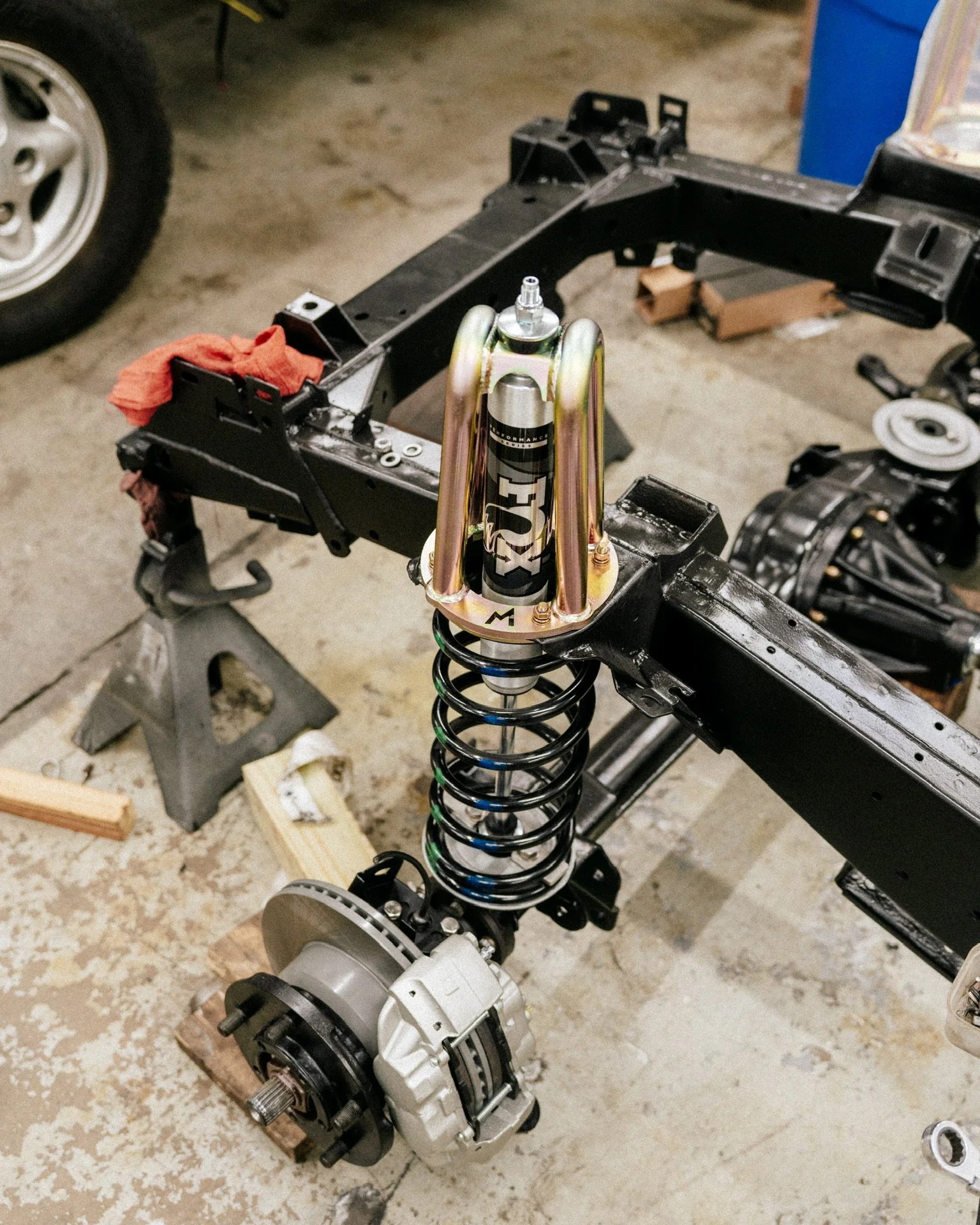
Our newest Agulhas build (yet to be named) is now taking shape around a galvanised and protected chassis. Suspension components are being installed, and both the front and rear axles have now been fitted and secured in place.
With the axles mounted, the structure of the Defender becomes immediately recognisable.
This stage is less visible than paint or interiors, but it is among the most important parts of the entire build. Each component is installed to ensure the truck will be strong, reliable, and capable in the way a proper Defender should be.
From here, the build will begin to gather momentum as steering components and drivetrain elements follow.
For now, it is satisfying to see the structure of another heritage Land Rover beginning to take form.